
How to Identify Bait Property Listings in Singapore
Learn the 4 signs of bait listings in fake property ads, analyzed with real examples
 Mervin Yu
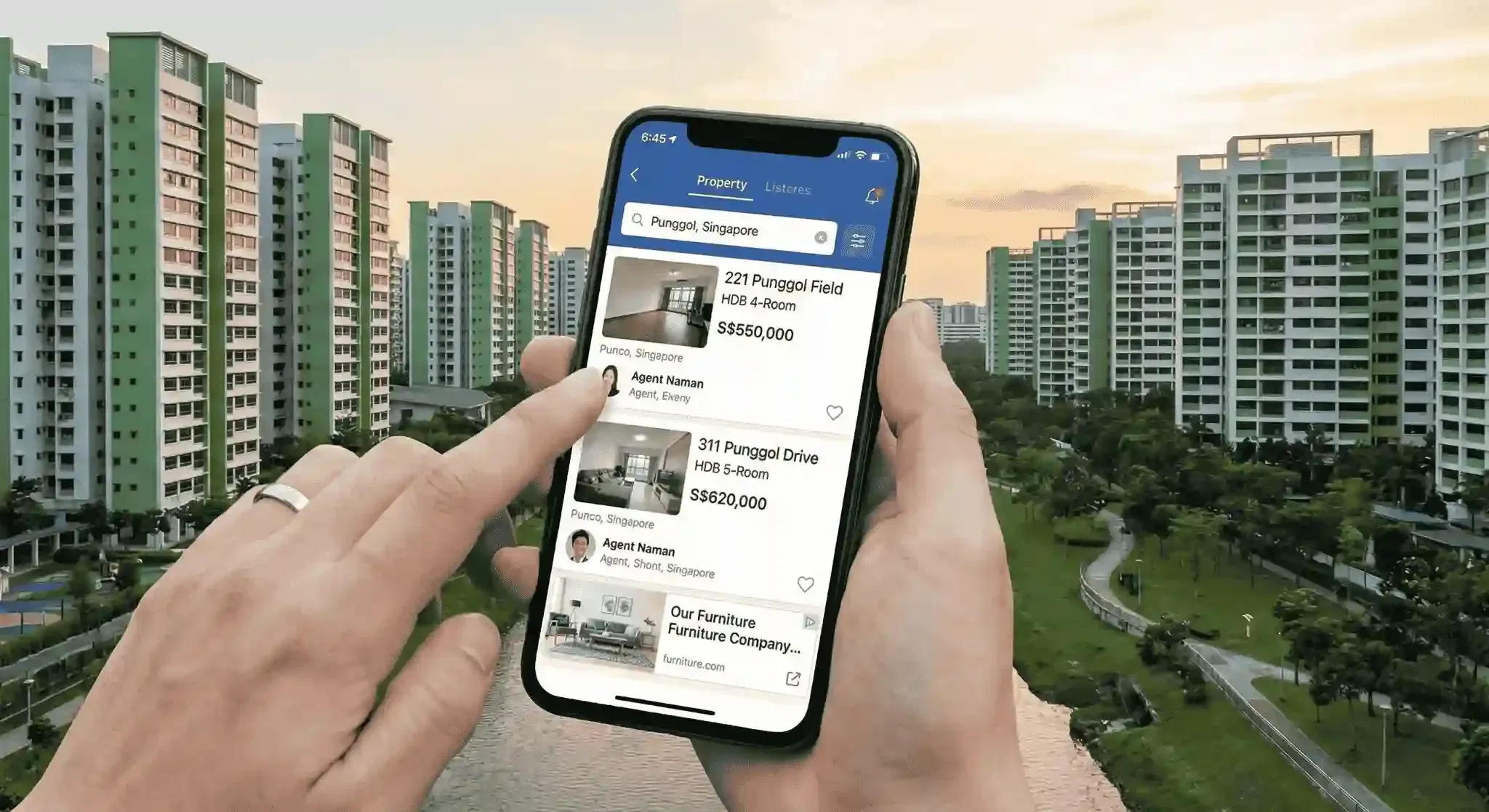
In a competitive real estate market like Singapore, navigating property listings can sometimes feel like a minefield. While most agents operate with integrity, a persistent minority uses "bait listings" to lure potential buyers. These misleading advertisements often feature prices far below market value or units that simply do not exist, causing frustration and wasted time for genuine home seekers.
Recent enforcement actions by the Council for Estate Agencies (CEA) highlight the severity of this issue. From fines ranging from $3,000 to $28,000 for misleading ads, the crackdown is real. However, as a buyer, your best defense is identifying these tactics before you make that call.
Tactic #1: The "Impossible" Price Tag
The most common form of baiting is advertising a unit at a price significantly lower than the developer's guide price or recent transaction data. The goal is simple: capture your attention and get your contact details.
Case Study A: Bagnall Haus (District 16)
A prime example involved the new launch Bagnall Haus in Bedok. Some listings advertised a 1,249 sq ft four-bedroom unit for approximately $2.988 million.
The Reality: According to URA data, a unit of the exact same size was transacted at $3.012 million in January 2025. Subsequent units sold for between $3.019 million and $3.273 million. The "bait" price was over $100,000 less than the actual transacted price, creating a false expectation for buyers.
Case Study B: The Arcady at Boon Keng (District 12)
Similarly, misleading ads appeared for The Arcady at Boon Keng, a freehold development in the city fringe. Listings showcased a three-bedroom unit at $2.33 million.
The Reality: When contacted, the agent revealed the actual price was above $2.4 million. The advertised price was based on a unit sold nearly a year prior, used to artificially rank the listing higher on search portals.
Pro Tip: If a price seems "too good to be true" compared to similar Freehold properties in the same district, it usually is. Always cross-check with official transaction records.
Tactic #2: The "Ghost" Unit
Another red flag is vague or generic descriptions. Authentic listings for Prime District projects or new launches typically include specific details like the stack number, floor range, or floor plan type.
Signs of a "Ghost" Unit listing:
- Generic Images: Using stock photos of street views, facades, or generic show-flat images instead of the specific unit layout.
- Missing Details: The listing does not name the project explicitly or omits key details like the TOP date.
- Template Descriptions: The write-up feels copied and pasted, lacking specific selling points of the unit.
Tactic #3: The "Switch"
The hallmark of a bait listing is what happens after you enquire. This is often referred to as the "Hook, Line, and Switch."
Common Scenarios:
- "Just Sold": The agent claims the unit was sold "just yesterday" but immediately pivots to offering you "better" (and more expensive) alternative units.
- Price Jump: Upon calling, the price suddenly increases. The agent might claim the developer "just adjusted the price" or that the advertised price was an "old promo."
- Unresponsive: In some cases, agents post fake listings just to collect buyer data. If you ask for specific proof of availability, they may stop responding entirely.
How to Verify Listings & Protect Yourself
In a market where prices are constantly shifting, verifying information is crucial. Here is how you can protect yourself from misleading ads:
1. Check Recent Transactions:
Before viewing, check the recent transaction data on major property portals or the URA website. If the listing price is far below the lowest recent transaction for a similar size and floor level, proceed with caution. For detailed market analysis, refer to our Property Investment Guide.
2. Demand Availability Proof:
For new launches, legitimate agents have access to a live availability chart from the developer. Ask the agent to send a screenshot of the unit's availability and current price list before you head down to the showflat.
3. Work with Trusted Agents:
The Council for Estate Agencies (CEA) takes a serious view of misleading advertising. Between 2023 and 2025, enforcement action was taken on 324 complaint cases. Engaging a reputable agent who values long-term reputation over quick leads is your best safeguard.
By staying vigilant and knowing these tactics, you can navigate the Singapore property market with confidence and avoid the frustration of bait listings.
- Price Discrepancies: Be wary of listings priced significantly lower ($100k+) than recent transactions.
- Vague Details: Avoid listings with generic photos or no project name.
- The Switch: If an agent immediately steers you to a different, pricier unit, the original listing likely didn't exist.
- Verify Data: Always cross-check prices with URA data or ask for the developer's live availability chart.
Ready to explore your options?
Whether you're looking to buy, sell, or just need advice, we are here to help.
Contact UsDisclaimer: The information provided in this article is for general informational purposes only and does not constitute financial or legal advice. While every effort has been made to ensure the accuracy of the data (sourced from URA and developer information), property prices and availability are subject to change. Please consult with a qualified real estate professional for specific advice tailored to your situation.
